exploring the health boosting benefits of different sauna types
Saunas have long been revered for their health benefits, providing a relaxing sanctuary for those seeking to unwind while enjoying a multitude of physical advantages. As we step into 2026, the popularity of different sauna types continues to grow, each offering unique features and benefits. This article delves into the health boosting properties of various sauna types, helping you to make an informed choice for your wellness routine.
Traditional Finnish Saunas
Traditional Finnish saunas are perhaps the most well-known type, characterised by their wooden interiors and high temperatures. Typically heated to between 70 to 100 degrees Celsius, these saunas operate by using dry heat, with low humidity levels. The health benefits of traditional saunas include improved cardiovascular health, as the high temperatures promote increased heart rate and circulation. This mimics the effects of exercise, making it a great option for those unable to engage in physical activity.
Additionally, traditional saunas can help with detoxification. The intense heat encourages sweating, which aids in the elimination of toxins from the body. Regular use may also alleviate muscle soreness and joint pain, making it a popular choice among athletes and those with chronic pain conditions.
Infrared Saunas
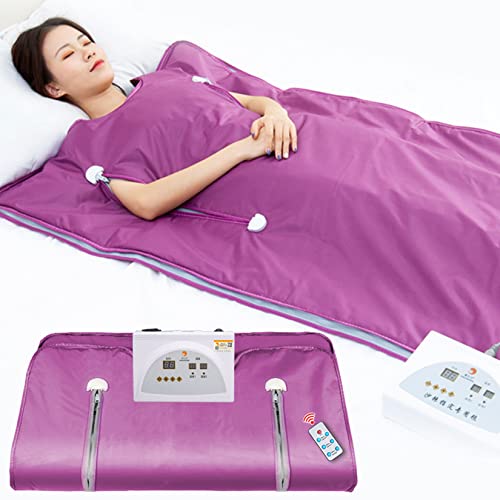
Infrared saunas differ significantly from their traditional counterparts. Instead of heating the air, infrared saunas use infrared panels to directly warm the body. This allows for a lower ambient temperature, typically ranging from 40 to 60 degrees Celsius, while still providing substantial therapeutic benefits.
People Also Look For:
- Electric Sauna Heater 9KW Stainless Steel, Indoor & Outdoor Heating Stove with Internal Controller for 9-13 m³ Home and Commercia...
- SereneLife Foldable Bamboo Bath and Shower Mat, 40x60x3cm Non-Slip Floor Mat for Bathroom, Sauna, Spa - Dual Non-Slip Surfaces, up...
- Restisland 6FT 2026 Upgraded Portable Steam Sauna for Home with 3L/1500W Steamer & 9 Heat Settings - Black Personal Sauna Tent wit...
- Portable Foldable Bathtub, Soaking Bathtub for Hot Shower and Ice Bath, Sauna Bath Tub for Adults (94L x 55W x 56H cm)
- Outdoor Sauna Tent Stove, Portable Camping Wood Stove Heater for Dry Sauna and Cooking
The key advantage of infrared saunas lies in their ability to penetrate deeper into the skin, promoting enhanced detoxification and improved circulation. Studies have shown that infrared saunas can help reduce inflammation, making them beneficial for individuals with arthritis or other inflammatory conditions. Moreover, the gentle heat can aid in relaxation, helping to reduce stress and improve sleep quality.
Steam Rooms
Steam rooms, or steam saunas, operate at lower temperatures than traditional saunas but maintain high humidity levels. The steam creates a warm, moist environment that offers a unique set of health benefits. One of the primary advantages of steam rooms is their ability to improve respiratory health. The moist air can help alleviate symptoms of asthma, allergies, and sinus congestion, making it a great choice for individuals with respiratory issues.
In addition, the high humidity in steam rooms aids in skin hydration, which can lead to improved skin health and a more youthful appearance. The warm, moist environment opens up pores, allowing for a deep cleanse that can help eliminate impurities and promote a healthy glow.
Salt Therapy Saunas
Salt therapy saunas, also known as halotherapy rooms, combine the benefits of a sauna with the therapeutic properties of salt. These saunas are typically infused with salt, which can help improve respiratory function and skin conditions. The micro-particles of salt released into the air can help cleanse the lungs and reduce inflammation in the respiratory tract.
Moreover, salt therapy is believed to enhance mood and promote relaxation, making it an excellent choice for those looking to unwind after a stressful day. Regular use of salt therapy saunas may also lead to improvements in skin conditions such as eczema and psoriasis, thanks to the anti-inflammatory properties of salt.
Practical Tips for Sauna Use
When choosing a sauna type, consider your health goals and preferences. It is advisable to stay hydrated before and after sauna sessions, as high temperatures can lead to dehydration. Limit your time in the sauna to avoid overheating; beginner users should start with shorter sessions of around 10 to 15 minutes. Gradually increasing your time can help your body acclimatise. Always listen to your body and exit the sauna if you start feeling uncomfortable. If you have any underlying health conditions, consult with a healthcare professional before incorporating sauna use into your routine.